Adapting to Alzheimer’s – “Let’s Go Home!”
I am neither a healthcare professional nor an expert on Alzheimer’s care giving. But, I thought it might be helpful to some to share our adaptations through a series of short stories of our experiences while caring for my Dad and my Mother-in-Law on this long journey known as Alzheimer’s.
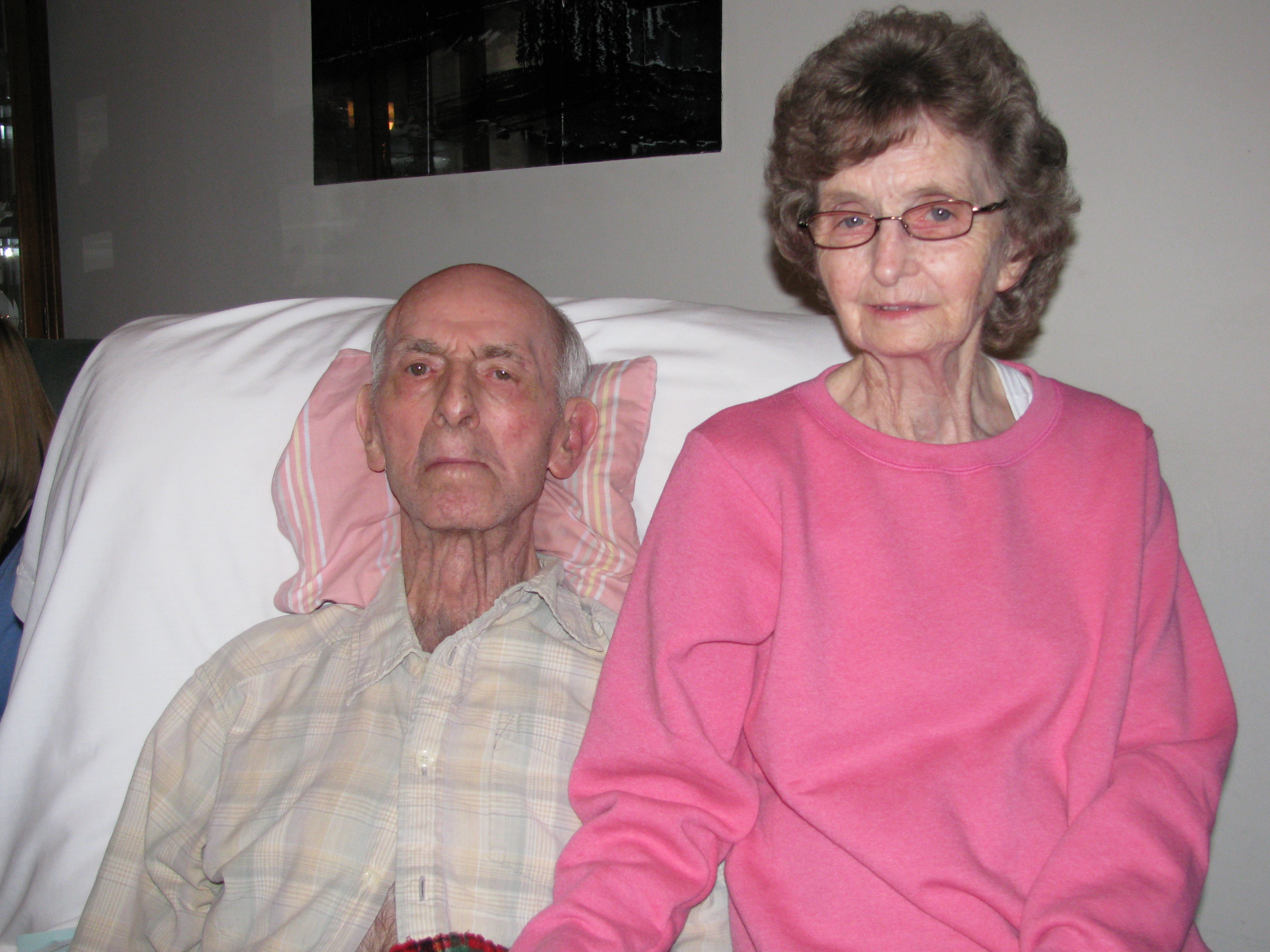
It was a Saturday evening in late January at our farmhouse in the Missouri Ozarks. Mom was busy in the kitchen preparing dinner. Dad and I were in the living room; Dad in his favorite chair and I in the swivel rocker nearby. There were several relatives visiting with us and the small house was filled with voices and laughter.
The shadows stretched across the holler where the farmhouse was situated and the living room windows began to darken as the winter light waned. Mom went outside briefly, then came back inside after feeding their Kimmie dog. “It’s getting cold out there!” she said as she walked toward the kitchen.
Dad signaled with his left hand that he wanted me to come to his chair. As I got up and leaned closer, Dad kept signaling for me to bend nearer and nearer to him like he had something important to say. When my ear was literally inches from his face, he whispered, “I’m ready to go home.”
Over the years, I’ve observed caregivers try to explain that we are already at home or even engage in an argument with the patient. We had quickly learned the futility of that approach with my Dad.
As I raised up, I simply said, “Dad says it is time to go home; who wants to go with us?” Our family had learned that “going home” meant a 15-30 minute car ride around the community before we returned for dinner. My brother said he would go along; others said that they needed to leave for the day.
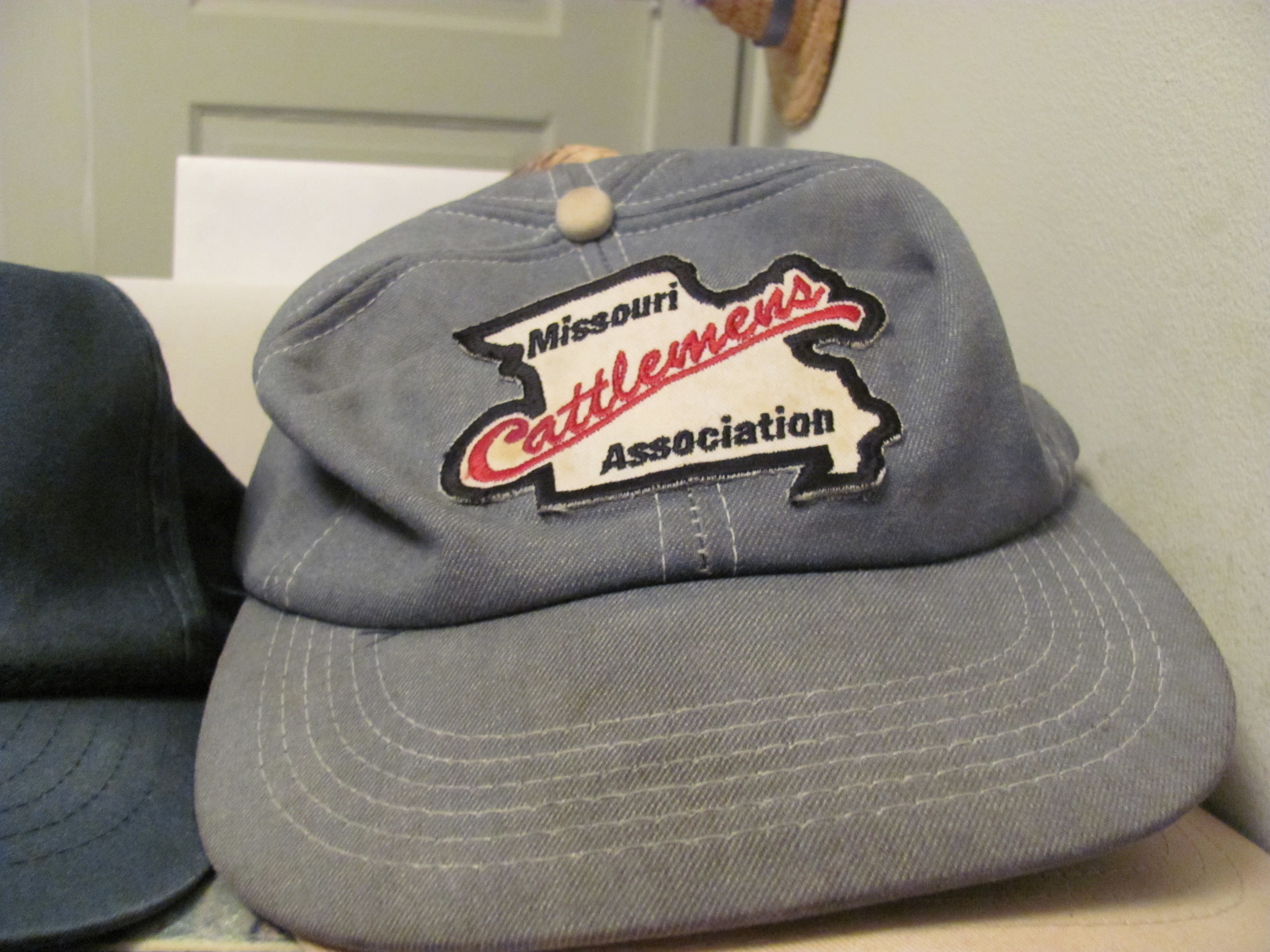
Mom came into the living room and said, “Don, your gonna need a coat and a cap if we’re headed home.” She proceeded to slip on her coat and knit toque hat, then grabbed Dad’s fleece-lined denim jumper and Missouri Cattlemen’s Association cap. I helped Dad out of his recliner and held him while Mom pulled on his coat and cap.
I continued to hold onto Dad as we walked out into the cold. Mom and I helped him climb into the front seat of my Honda Ridgeline and buckled him in. Mom and my brother climbed into the back seat while I got into the driver’s seat and started the engine. I flipped on Dad’s electric seat heater and turned the truck heater to max. He seemed to chill easily as the disease progressed.
“Dad, are you ready to go home?” I asked to keep him on track of our activity. He said, “Yes I am” as we drove onto the County Road running in front of the farmhouse. We deliberately drove along familiar roads and pointed out locations that Dad could still remember from the distant past.
At one point, I asked, “Dad, didn’t you go to grade school here in Dickens?” “Yes, I did; that’s the store, but I don’t see the schoolhouse.” We continued our drive circling back toward the farmhouse repeating the routine at each familiar landmark. As we drove back into the driveway at the farmhouse, I didn’t leave anything to chance and said, “It’s good to be back home!” hoping that Dad would reply, “Yes it is!” which was our signal that the short drive had been effective.
I got Dad out of the truck and helped him into the house. Mom helped him remove his coat and cap and sat him back into his favorite chair. Without missing a beat, Mom said, “Now that we’re back home, would you like something to eat?” To which Dad replied, “Yes I would!”
It has always amazed me that a short ride in the car and some well placed conversations would help Dad find a renewed sense of security in his favorite chair and an internal feeling that he was “home”. We repeated the drives almost every evening during the twelve years of Alzheimer’s. I eventually discovered the car rides were amazingly beneficial to the patient and the primary caregiver who desperately needed a few moments of normality outside of the confines of our farmhouse.
Blessings to the caregivers and those on this journey.
#Alzheimer’s #caregiver #AdaptingToAlzheimer’s #alz.org
 Bradley Roberts Wyatt
Love this so much as I do all of your stories!!
LikeLike
This rings familiar … different, for sure, but familiar. I don’t know how many times my father-in-law said something like, “I don’t think I’ve ever been here before,” and I would explain, “David, you built this house 25 years ago.”
You say you’re no Alzheimer’s expert, but you obviously became an expert on helping your dad and mom.
Finally, it is remarkable, as you noted, that such trying times — wretched and undeserved as they are — often yield chances at deeper, more meaningful relationships and memories.
Thank you for sharing.
LikeLike